Repairs and Installations Completed at Your Location
Mobile Welding in Hartland for equipment failures, structural repairs, and custom metalwork without shop transportation
When a gate hinge cracks, a trailer tongue breaks, or a loader bracket fails in the field, 207 Welding & Fabrication brings complete welding capability directly to the work site in Hartland. The service eliminates downtime from hauling heavy equipment to a shop, addresses failures where they happen, and handles repairs that cannot be moved. You get the same weld quality and material strength as shop-based work, completed on your property or job site.
Mobile welding involves transporting power sources, electrode supplies, shielding gas, and safety equipment to the location where the metalwork is needed. The welder assesses the damage or installation requirements on-site, prepares the metal surfaces, selects the appropriate filler material and technique for the base metal type, and completes the joint using MIG, TIG, or stick processes depending on the material thickness and application. Weather protection and ventilation are established when conditions require it.
Request an on-site assessment to review the specific repair or installation and confirm material compatibility before scheduling the welding work.
What Happens During On-Site Metal Joining
The welder arrives with a generator-powered welding machine, appropriate filler rods or wire, cutting tools, grinders for surface preparation, and clamps or fixturing to hold components in alignment during the welding process. Base metal is cleaned to remove rust, paint, or mill scale that would contaminate the weld pool, and edges are beveled or fitted depending on joint design and thickness. The weld is completed in multiple passes for thicker sections, with specific amperage and travel speed adjusted for the material being joined.
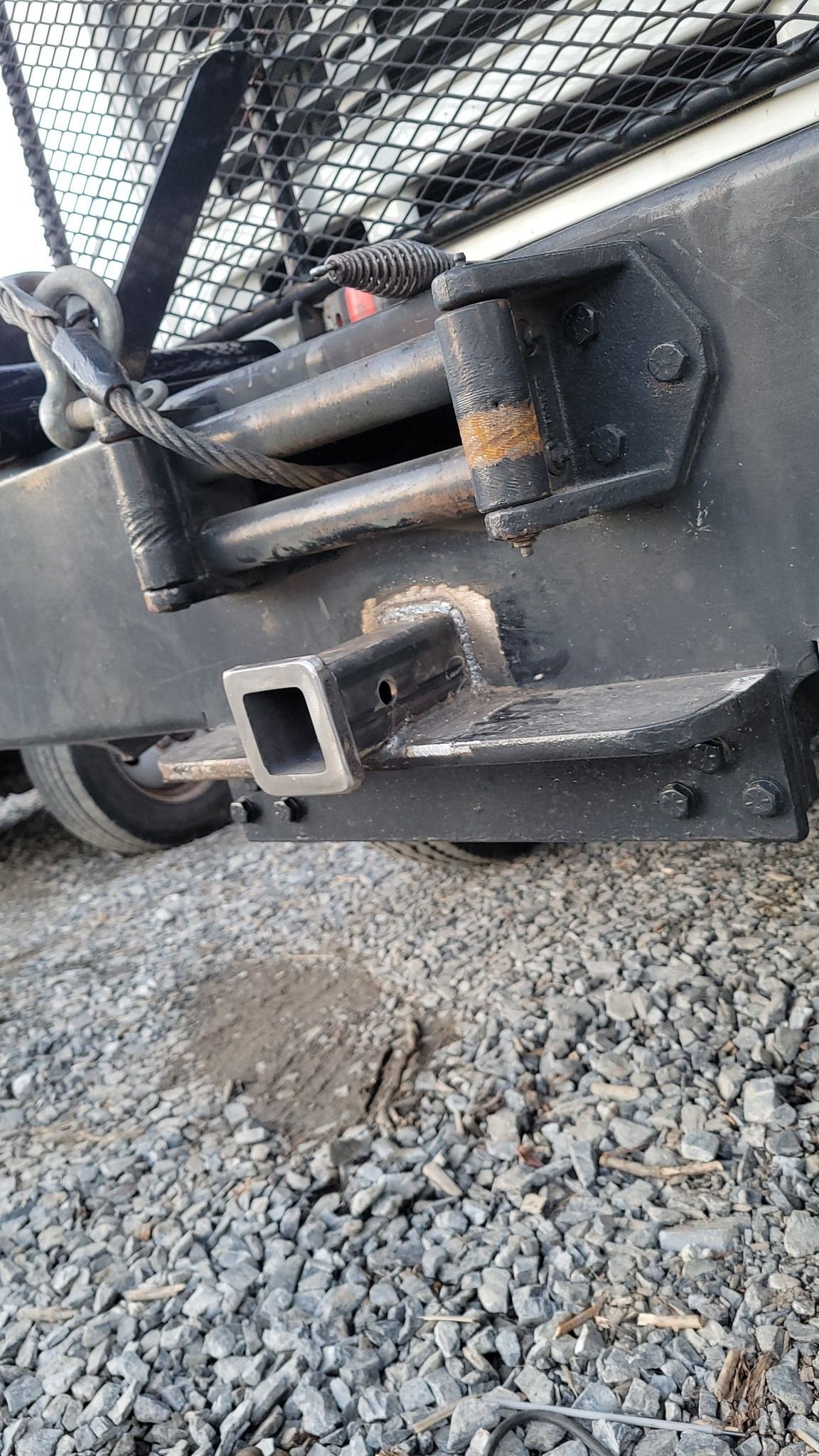
After the weld cools, you see a continuous bead with complete penetration through the joint thickness, metal that no longer flexes or separates at the failure point, and a connection that handles the same load capacity as the original intact material. The repair or installation is structurally sound immediately after cooling, though some applications require painting or coating over the weld zone to prevent surface oxidation.
The service includes minor fabrication adjustments made on-site, such as trimming or notching metal to achieve proper fit-up before welding. It does not include complex machining, metal forming that requires press equipment, or projects that need extensive pre-assembly in a controlled shop environment. Material selection for compatibility with existing components is determined during the initial site visit.
Questions Property Owners Ask Before Scheduling
Clients in Hartland and surrounding rural areas often need clarification about the welding process, site requirements, and material considerations before arranging mobile service.
What types of metal can be welded on-site?
Most common metals including mild steel, stainless steel, and aluminum can be welded in the field using portable equipment, though the specific alloy and thickness determine which welding process is most appropriate for the joint. Cast iron requires preheating and specialized filler rods that are transported with the mobile setup.
How much space is needed around the work area?
The welder requires approximately ten feet of clearance around the welding location for safe equipment placement, ventilation of fumes, and protection from wind that can disrupt the shielding gas coverage. Overhead obstructions like tree branches or roof overhangs need to be at least eight feet above the arc to prevent fire risk from spatter.
When should mobile welding be used instead of removing the item?
Mobile service makes sense when the item weighs more than can be safely lifted with available equipment, when removal would require disassembling surrounding structures, or when the repair timeline cannot accommodate the transportation and shop scheduling delays. A cracked tractor frame or a broken gate post anchored in concrete are typical examples.
What affects the strength of a field weld compared to shop welding?
Weld strength depends on proper joint preparation, correct filler material selection, and adequate penetration through the base metal thickness rather than the location where the work is performed. Weather conditions like rain or freezing temperatures can interfere with weld quality, so scheduling around forecasted conditions in Maine is part of planning the work.
How long does a typical mobile welding repair take?
Repair duration depends on the extent of metal damage, the number of weld passes required for the joint thickness, and the preparation work needed to access and clean the area. A simple bracket repair might take thirty minutes, while a structural trailer repair involving multiple joints could require several hours on-site.
207 Welding & Fabrication handles mobile welding throughout the Hartland area for agricultural equipment, residential gate and railing repairs, and commercial structural fixes. Schedule a site visit to evaluate the specific metalwork and confirm the welding approach before the repair is completed.